




Humanities and History Enter Users' Daily Lives: "The 1st Ying Qian-li Literature x Translation Competition" Showcases the Creativity of NTU and FJCU Students
To honor Professor Ying Qian-li’s mastery across the ancient and modern, as well as his interdisciplinary expertise spanning literature, law, philosophy, and economics, the Ying Qian-li Scholarship Foundation commissioned the Department of Foreign Languages and Literatures at National Taiwan University (NTU) and the College of Foreign Languages and Literatures at Fu Jen Catholic University (FJCU) to host the inaugural "Ying Qian-li Literature x Translation Competition." Under the theme "Riding a Thousand Miles: Local Translation," the competition aimed to encourage students from both universities—primarily from the NTU College of Liberal Arts and the FJCU College of Foreign Languages and Literatures—to actively engage with literature and local history. Students were encouraged to bridge their academic studies with local culture and everyday life, utilizing text, multimedia, and technological tools for interdisciplinary creation. By interpreting Western literary classics and local historical anecdotes through the perspectives of a new generation, the competition sought to expand the influence of literature and culture. The call for entries began in October 2023 and concluded on January 3, 2024, attracting a total of 64 submissions (21 in the Video Category and 43 in the Non-Video Category), showcasing the students' immense creativity and interdisciplinary thinking.
- 12 Finalists and Award-Winning Works Reveal Diverse Trends in Creative Translation
The contestants drew from a diverse range of sources. Western literary inspirations included works by Shakespeare, Milton, Hemingway, Joyce, Faulkner, Stendhal, Hugo, Flaubert, and Bach's musical composition "Gloria" (Pater Omnipotens). Chinese literary classics such as Dream of the Red Chamber and the Ci poetry of Li Qingzhao were also featured, alongside the contemporary translated novel Einstein's Dreams. Regarding local history and culture, topics spanned from key historical sites of economic and cultural development in Northern Taiwan (Beitou and Dadaocheng) to in-depth explorations of the century-old cultural heritage of Xinzhuang, where the university is located. Some works even reflected on Taiwan’s democratization process, such as The Editor-in-Chief Cheng Nan-jung is Solely Responsible for the Content of This Publication, based on selected editorial reports from Nylon (Freedom Era) Weekly.
The organizers invited six jurors with extensive experience in competition judging and professional expertise, none of whom had advised any participating students. The jurors focused not only on presentation techniques but prioritized the structural depth, contemporary significance, the connection between the "original work/story," original value, and the understanding of local culture. After two rounds of evaluation, six winning works were selected from both the Video and Non-Video categories.
- Student Creators Reflect on Life Experiences, Showcasing the Diverse Possibilities of Translated Works
In the Video Category, the "translated" works featured live-action performances, as well as creative expressions such as puppet theater, animation, and social media-style video documentation. The award-winning piece Einstein's Dreams reached professional standards in its cinematography, acting, and conceptual presentation. Another work, Who’s Coming for "Tea"?, introduced how British merchant John Dodd pioneered the tea industry in Dadaocheng; it skillfully interspersed historical photographs with modern scenes and superb manga techniques, with a highly engaging narrative that deeply resonated with the audience.
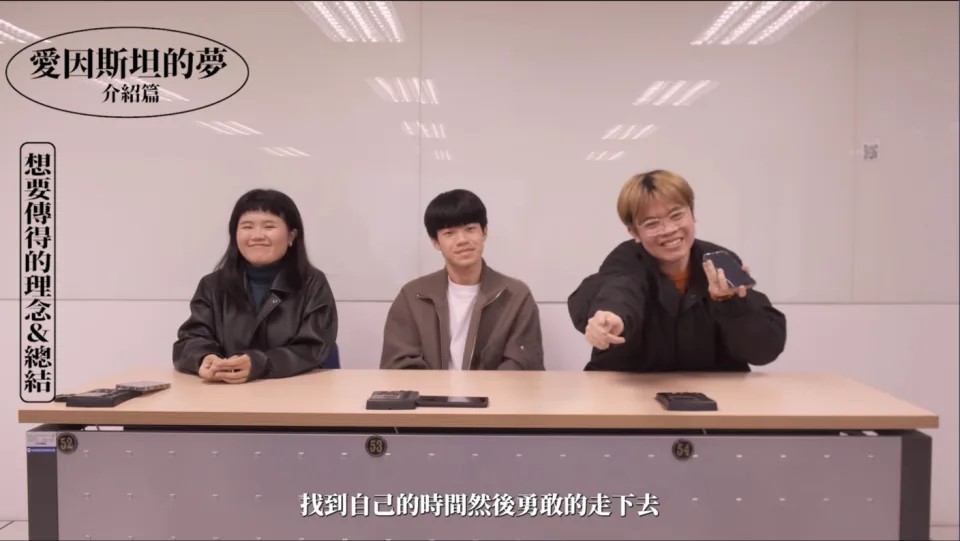
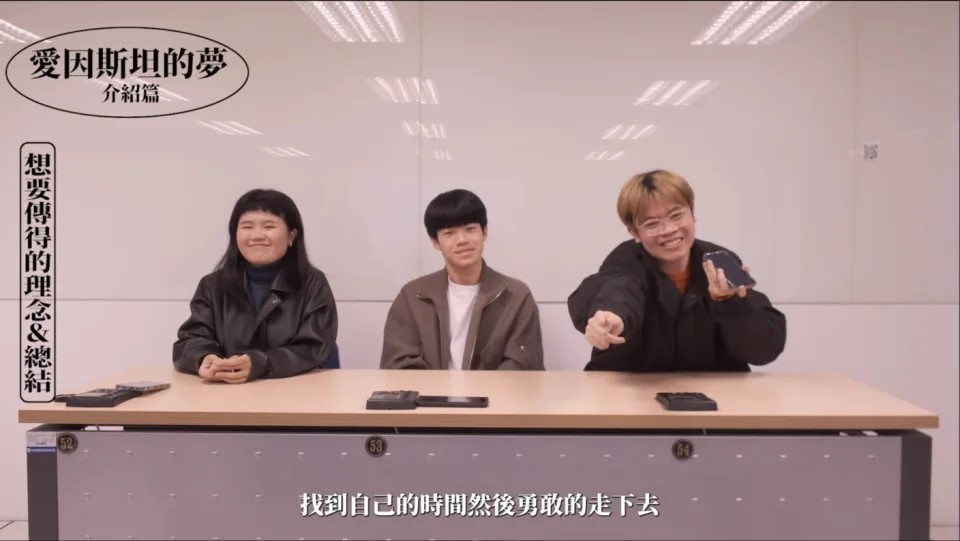
- The student creators of Einstein's Dreams depicted the confusion seniors feel regarding time, expressing a hope to find their own pace and move forward with courage. Photo / Provided by the FJCU College of Foreign Languages and Literatures.
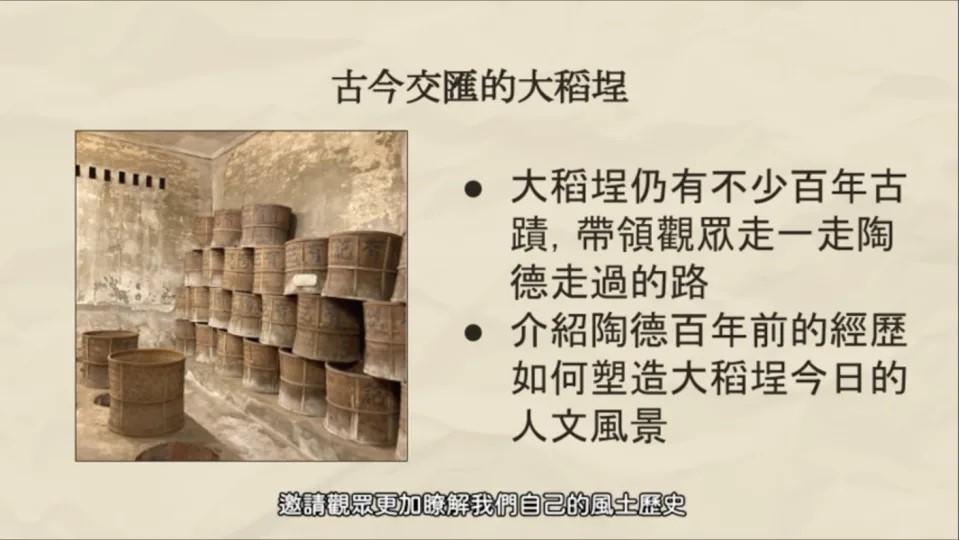
- The team behind Who's Coming for "Tea"? introduces the British merchant John Dodd, inviting the audience to Dadaocheng to gain a deeper understanding of their own local history and terroir. Photo / Provided by the FJCU College of Foreign Languages and Literatures.
In the Non-Video Category, the presentation formats of the translated works were even more diverse, ranging from newspapers, letters, scripts, and illustrated books to digital exhibitions, news interviews and broadcasts, online interactive games, and puzzle games. Submissions even included physical creative products such as interactive mechanical books, board games, maps, and tour guides, fully demonstrating Generation Z's interest in interactive texts and their proficiency in digital storytelling. Among these forms, psychological tests and puzzles were the most common, reflecting the younger generation's pursuit of self-discovery. Award-winning board games and 3D pop-up books focused on user interaction to pass down culture and build consensus. Other winning works showcased students' musical talents or creatively combined the currently popular criminal investigation theme with an antique English newspaper format, skillfully transforming "A Rose for Emily" into a cold case investigation.
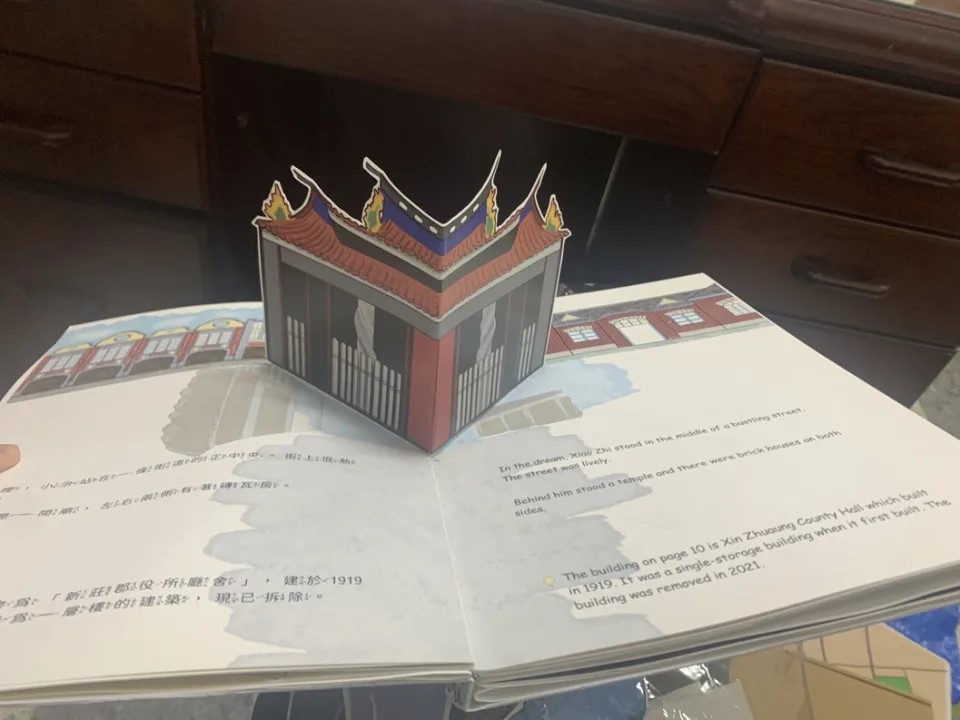
- Non-Video Category Grand Prize winner "Let’s Go Study at Hsing-chih Public School!" uses an interactive mechanical book to lead readers through the history of Xinzhuang Elementary School. Photo / Provided by the FJCU College of Foreign Languages and Literatures.
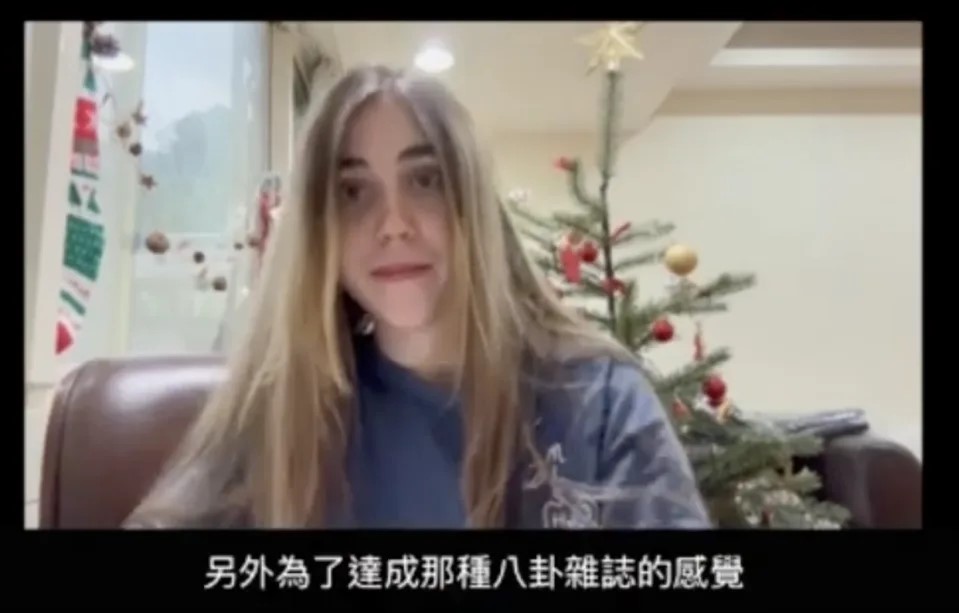
- THE LAST SOUTHERN BELLE — EMILY GRIERSON DEAD AT 75 utilizes a 19th-century newspaper format while incorporating modern elements like gossip columns and reader polls to illustrate the shifting of eras. Photo / Provided by the FJCU College of Foreign Languages and Literatures.
What the participating students demonstrated was not merely a flexible medium conversion of literary and historical texts, but also a unique understanding of original works, issues, and local culture. Through creative translation, they fully showcased a cultural exchange that spans generations and media. The students' dedication ensured that literary knowledge and local history are no longer cold or one-dimensional; by viewing, listening to, and playing with these works, the humanities and history truly enter the lives of the users.
The creators did more than just translate knowledge learned in classrooms and books into creative works; they also reflected on their own life experiences in their conceptual videos. They not only proactively applied various creative techniques and storytelling skills but also sought effective interaction and communication with potential users. Such dedication is truly impressive and deeply moving.